Share
29 September 2025
Our Garden Edging Tips: How to Build Garden Edging
A beautifully defined garden border can transform an ordinary outdoor space into a polished, professional landscape. Garden and lawn edging is more than just an aesthetic choice; it’s a practical solution for keeping your flower beds tidy, preventing soil erosion, and making garden maintenance much easier. If you've ever wondered how to build garden edging yourself, you're in the right place. We've put together a comprehensive guide with everything you need to know to create stunning, low-maintenance garden borders that last.
The First Step: Choosing Your Material
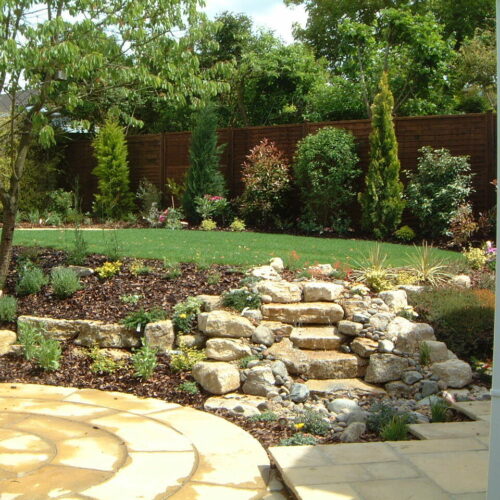
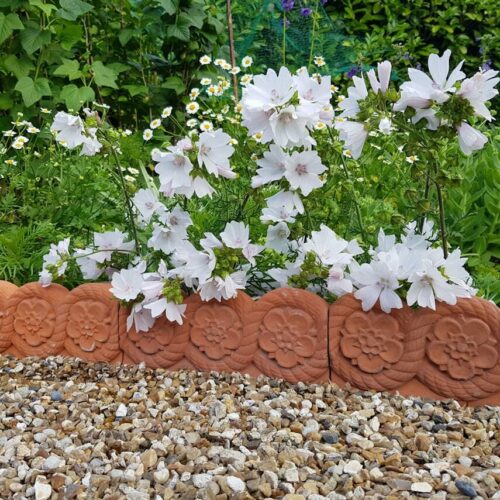
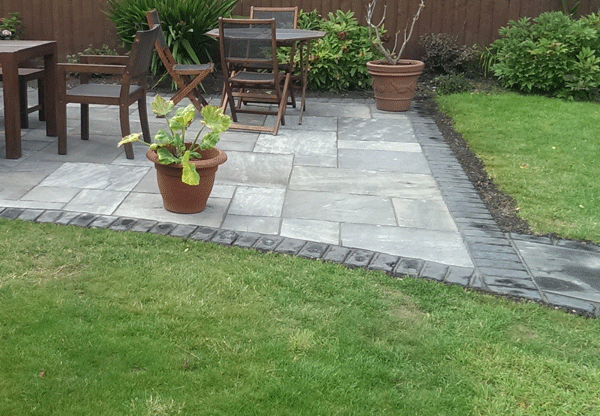
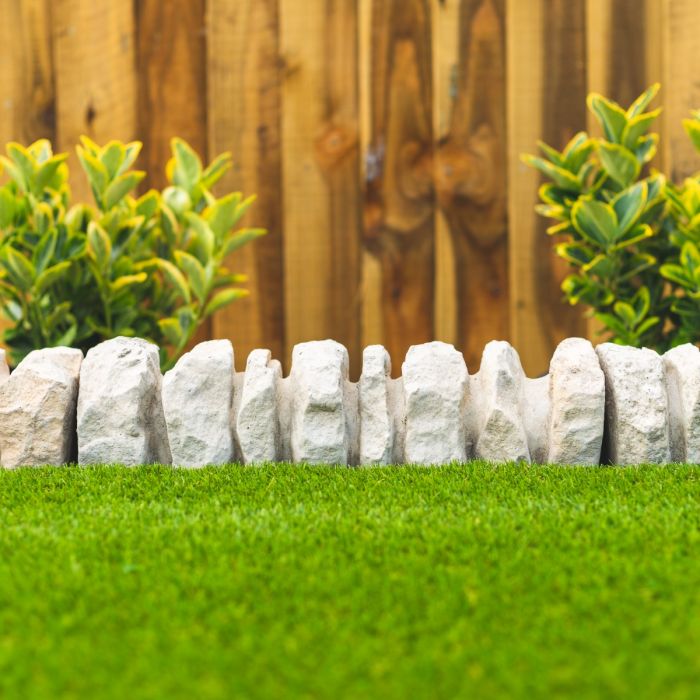
Before you start, you need to decide what material is right for your project. The choice depends on your budget, style, and the terrain you’re working with. Stone is the gold standard for creating clean garden edges. Brick edging and natural stone garden edging offer unmatched durability and a classic look that complements virtually any UK garden style or period property.
While they represent a better long-term investment than alternatives, their strength and elegance are incredibly long-lasting, making them the premier choice for low-maintenance garden borders.
The Difference is Longevity: You may find other affordable garden edging ideas like plastic, timber, or metal, but they often lack the stability and timeless appeal of a stone or brick edge. These alternatives can shift, crack, or rot over time, leading to early replacement. By choosing natural stone or authentic Stonecast® garden edging, you are investing in a superior material that resists weather, maintains a neat appearance for decades, and adds genuine value and character to your landscape. This is the surest way to achieve garden edging that prevents soil erosion and provides a lasting, sophisticated barrier.
Step-by-Step Guide: How to Make Edging for a Garden
Once you have your materials, it’s time to start the installation. Follow these simple steps to create a border edge that looks fantastic.
Secure and Backfill: Once all the edging is in place, backfill the trench with soil or sand, tamping it down firmly to secure the edging. This also helps to prevent soil erosion by creating a solid barrier.
Plan and Mark Your Line: Use a garden hose, a string line, or a can of spray paint to outline the shape of your new border. This is the most crucial step for getting a clean, professional finish.
Dig Your Trench: Using a spade or edger, dig a trench along your marked line. How deep should garden edging be? The general rule is to dig it deep enough to bury at least half, or ideally two-thirds, of your chosen material. This provides stability and prevents your edging from shifting over time.
Level the Base: For a solid edge, lay a small layer of sand or gravel at the bottom of the trench and use a spirit level to ensure a perfectly level base. This step is particularly important for bricks or stones.
Install Your Edging: Carefully place your edging material into the trench, one piece at a time. Tap it gently with a rubber mallet to secure it. If you’re working with flexible materials, this is how you can achieve garden edging for curved paths.
Common Garden Edging Challenges
Tackling Common Challenges: How to edge a garden by hand? For those without specialist tools, a sharp spade and a steady hand are all you need. Take your time to create a neat, straight line by following your marked guide.
How do I keep my garden edging straight? The best way is to use a taut string line as a guide during installation. For longer sections, a spirit level will help you maintain an even height and line.
Garden edging for uneven terrain: Work with the slope of your ground. Instead of trying to create a perfectly flat line, step the edging down gradually to follow the natural contours.
How to edge around garden trees: When edging around trees, leave a generous amount of space around the trunk to allow for growth. A simple circle of bricks or paving is a great way to protect the tree while keeping the area neat.
How to make plastic edging look good? Plastic edging is popular for its flexibility and low cost. To make it look its best, ensure it is installed correctly, buried deep enough so only the top is visible, and backfilled with soil or mulch to create a seamless, tidy finish. For the most effective border.
The Finishing Touches and Long-Term Benefits
Garden edging is one of the most effective ways to create a polished, low-maintenance garden border. By installing a physical barrier, you can easily define your lawn from your flowerbeds. This makes mowing and trimming much quicker and helps to keep your garden edges neat.
And what is the best lawn edging to prevent weeds? A solid, deeply installed edge is key. It acts as a barrier, preventing grass and weeds from creeping into your beds. Combine this with a layer of mulch, and you'll have a beautifully defined, weed-free space.

Find your perfect stone garden edging
With these tips, you'll be well on your way to creating clean garden edges that not only look fantastic but also make your life easier. For garden edging for small spaces or a large, sweeping landscape, a little planning and effort go a long way.
Ready to start your project? Explore our range of high-quality garden edging materials and turn your garden vision into a reality.