Share
5 July 2025
Our Garden Edging Tips: How to Build Garden Edging
A well-defined border can transform your garden, adding visual appeal, structure, and practicality. Whether you're looking to create clean garden edges, contain your plants, or prevent soil erosion, understanding how to build garden edging is a valuable skill for any gardener. This How to Build Garden Edging guide will explore various methods and ideas, catering to different needs and budgets.
Why Consider Garden Edging?
Beyond aesthetics, garden & lawn edging offers several benefits:
- Definition: Clearly separates your lawn from flower beds, vegetable patches, and pathways.
- Containment: Helps keep soil, mulch, and gravel within designated areas.
- Weed Control: Provides a barrier against encroaching grass and weeds.
- Moisture Retention: Can help retain water within your garden beds.
- Erosion Prevention: Especially important on slopes, garden edging that prevents soil erosion can safeguard your landscape.
Exploring Different Garden Edging Options
The best type of garden edging for you will depend on your personal style, budget, the size of your garden, and the specific challenges of your landscape.
Garden Edging with Stones or Bricks: Classic and Durable
Using natural stones or bricks offers a timeless and robust edging solution.
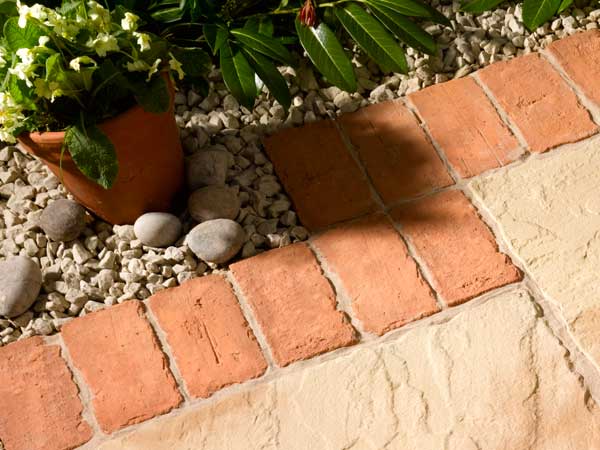
Brick Edging: Offer a more formal and structured appearance. They can be laid in various patterns (e.g., soldier course, herringbone) and are relatively easy to install.
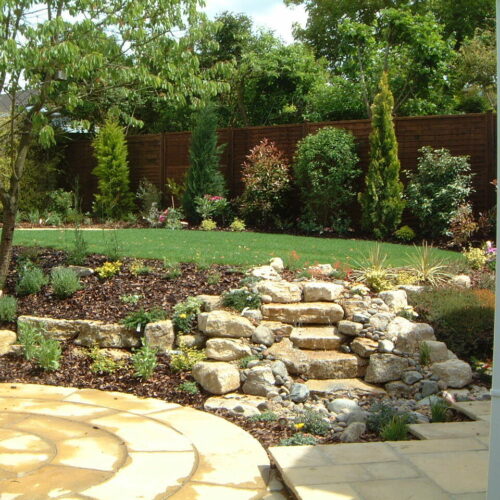
Stone Edging: Provide a rustic and organic look. They can be arranged informally or stacked to create a more defined border. This is a great option for garden edging for uneven terrain as individual stones can accommodate changes in elevation.
Affordable Garden Edge Ideas: Budget-Friendly Solutions
You don't need to spend a fortune to create effective garden edging. Here are some affordable garden edge ideas:
- Repurposed Materials: Consider using reclaimed wood, old tires (painted creatively!), or even glass bottles partially buried in the ground for a unique and eco-friendly border.
- Plastic or Metal Edging: These commercially available options are often inexpensive and easy to install. They come in various styles and can be particularly useful for creating clean garden edges but dint offer the same aesthetics and will need to be replaced often.
- Simple Trench Edging: For a very low-cost solution, you can create a shallow trench along the edge of your garden bed using a spade. This provides a basic but effective barrier.
Low-Maintenance Garden Borders: Keeping it Simple
If you're looking for minimal upkeep, consider these low-maintenance garden borders:
- Metal Edging: Durable and long-lasting, metal edging requires little to no maintenance once installed.
- Plastic Edging with Built-in Weed Control: Some plastic edging options come with a fabric skirt that extends into the soil, helping to suppress weed growth.
- Gravel or Mulch Borders: While not a solid barrier, a wide band of gravel or mulch can visually define the edge and deter some weeds.
Garden Edging for Small Spaces: Maximizing Impact
Even in limited areas, well-chosen edging can make a big difference. Consider these ideas for garden edging for small spaces:
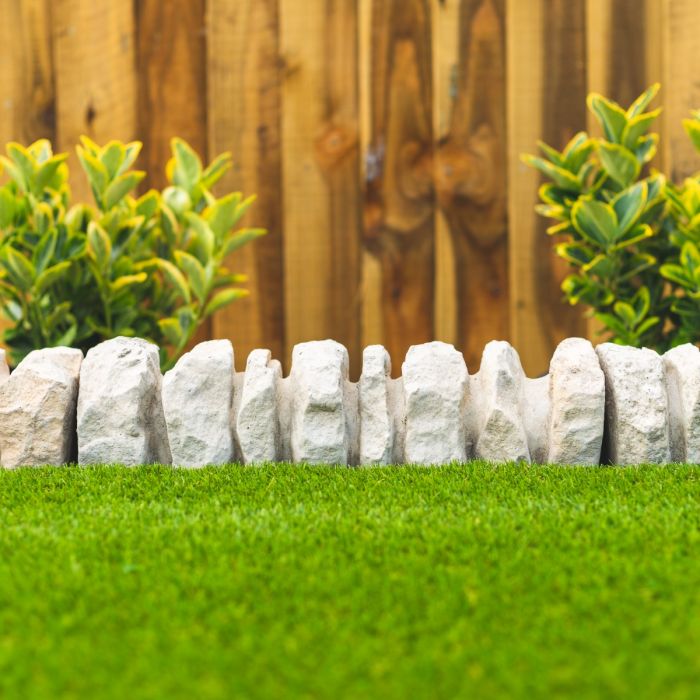
- Vertical Edging: Using taller, narrower materials like upright stones or stacked bricks can create a defined boundary without taking up too much horizontal space.
- Paving Stones: A single row of paving stones can neatly delineate a small garden bed.
- Trench Edging: The simplicity of a trench can be very effective in a compact garden.
Garden Edging for Curved Paths: Flow and Definition
Creating smooth transitions along curved pathways requires flexible edging materials. Here's how to edge around garden trees and along winding paths:
Bender Board: Made from recycled plastic, bender board is specifically designed for creating curves in landscaping.
Flexible Metal or Plastic Edging: These materials can be easily shaped to follow curves and contours.
Small, Interlocking Elements: Using smaller stones, bricks, or paving pieces allows for greater flexibility in creating curved lines.
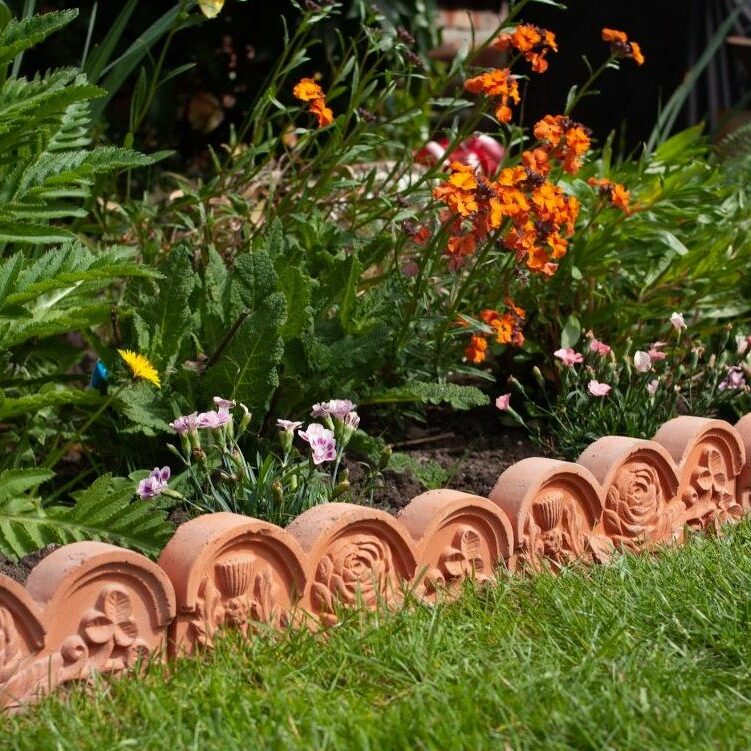
Steps to Building Your Garden Edging
While the specific steps will vary depending on the materials you choose, here's a general guide on how to build garden edging:
- Plan Your Layout: Use stakes and string to mark out the desired shape and boundaries of your garden beds.
- Prepare the Area: Clear away any grass, weeds, or debris along the marked lines.
- Dig a Trench (if necessary): For many types of edging (stones, bricks, some plastic), you'll need to dig a shallow trench to provide a stable base. The depth will depend on the size and type of material.
- Install Your Edging Material:
- Stones/Bricks: Arrange them tightly together in the trench, ensuring they are level. You may want to use a rubber mallet to tap them into place. For added stability, consider using landscape adhesive.
- Plastic/Metal Edging: Follow the manufacturer's instructions. Typically, this involves pushing stakes into the ground to secure the edging.
- Trench Edging: Use a spade to create a clean, angled edge along your garden bed.
- Backfill (if necessary): Once your edging is in place, backfill any gaps with soil or mulch.
- Refine and Adjust: Step back and take a look at your edging. Make any necessary adjustments to ensure a clean and consistent border.
Building garden edging is a rewarding project that can significantly enhance the beauty and functionality of your outdoor space. By considering your needs, budget, and the unique characteristics of your garden, you can choose the perfect edging solution to create clean garden edges, manage your plants effectively, and even tackle challenges like how to build garden edging for uneven terrain and garden edging that prevents soil erosion. So, grab your tools and start defining your dream garden today!
Ready to transform your garden? Browse our wide selection of garden edging today and find the perfect solution for your needs!